Search This Blog

Thursday, 30 December 2021

ಬಂದೇ ಬಂತು ಧನುರ್ಮಾಸ...


ಸಾ

ಲು ಸಾಲು ಹಬ್ಬಗಳು ಹಿನ್ನೆಲೆಗೆ ಸರಿದಿವೆ.  ಹಬ್ಬದ ಸಡಗರ ಸಂಭ್ರಮಗಳು ಕಡಿಮೆಯಾಗುತ್ತಿದಂತೆ ಚುಮುಚುಮು ಚಳಿ ಆರಂಭವಾಗಿದೆ.  ಡಿಸೆಂಬರ್ ತಿಂಗಳಾದಿಯ ಕೆಲವು ದಿನಗಳ ಬಳಿಕ ವಾತಾವರಣದ ಉಷ್ಣತೆ ಮೆಲ್ಲಮೆಲ್ಲನೆ ಇಳಿಯತೊಡಗಿದೆ. ಬೆಳಿಗ್ಗೆ ಬೇಗ ಏಳಲೊಲ್ಲೆ ಎನ್ನುತಿವೆ ತನು-ಮನ. ಏನೋ ಒಂದು ತರಹದ ಆಲಸ್ಯ, ಖಿನ್ನತೆ.   ಹೀಗಿರುತ್ತಾ ನೋಡ ನೋಡುತ್ತಿದ್ದಂತೆ ಅಗೋ ಬಂದೇ ಬಂತು ಧನುರ್ಮಾಸ!
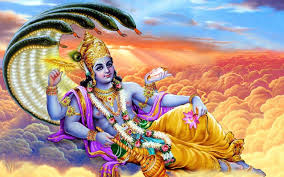
ಈ ಅವಧಿ ಸೂರ್ಯನು ಧನು ರಾಶಿಯನ್ನು ಕ್ರಮಿಸುವ ಕಾಲ.  ಸಾಮಾನ್ಯವಾಗಿ ಡಿಸೆಂಬರ್ ತಿಂಗಳ ಉತ್ತರಾರ್ಧದಿಂದ ಜನವರಿ ತಿಂಗಳ ಪೂರ್ವಾರ್ಧದಲ್ಲಿ ಬರುವ ಮಾಸ.   ಚಾಂದ್ರಮಾನದ ಮಾರ್ಗಶಿರ ಮತ್ತು ಪುಷ್ಯ ಮಾಸದ ಭಾಗಗಳನ್ನೊಳಗೊಂಡ ಸೌರಮಾನದ ಧನುರ್ಮಾಸ ಶೂನ್ಯ ಮಾಸ, ಚಾಪ ಮಾಸ, ಕೋದಂಡ ಮಾಸ, ಕಾರ್ಮುಕ ಮಾಸ ಇತ್ಯಾದಿ ಪರ್ಯಾಯ ಹೆಸರುಗಳಿಂದಲೂ ಗುರುತಿಸಿಕೊಂಡಿದೆ.  ಅಧ್ಯಾತ್ಮ ಸಾಧನೆಗಿದು ಪರ್ವ ಕಾಲ.

      ಮಾನವರ ಒಂದು ವರ್ಷ ದೇವತೆಗಳ ಒಂದು ದಿನ. ಉತ್ತರಾಯಣ ಹಗಲಾದರೆ, ದಕ್ಷಿಣಾಯನ ರಾತ್ರಿ. ದಕ್ಷಿಣಾಯನದ ಕೊನೆಯ ಧನು ತಿಂಗಳು ದೇವ-ದೇವತೆಗಳ ಹಗಲಿನ ಬ್ರಾಹ್ಮೀ ಮುಹೂರ್ತ.  ಪೂಜೆ ಅರ್ಚನೆಗಳಿಗೆ ಪ್ರಶಸ್ತ ಕಾಲ. ಆದ್ದರಿಂದ ಬ್ರಾಹ್ಮೀ ಮುಹೂರ್ತದಲ್ಲಿ ಎದ್ದು, ದೇವತೆಗಳ ಬ್ರಾಹ್ಮೀ ಮುಹೂರ್ತವಾದ ಧನುರ್ಮಾಸದುದ್ದಕ್ಕೂ ಪರಮಾತ್ಮನನ್ನು ಅರ್ಚಿಸಿದರೆ, ಆತ ಸಕಲ ಸೌಭಾಗ್ಯಗಳನ್ನು  ಅನುಗ್ರಹಿಸುವನೆಂಬ ನಂಬಿಕೆ.

      ಈ ತಿಂಗಳ ಪರ್ಯಂತ ಆಸ್ತಿಕರು ಅರುಣೋದಯ ಕಾಲದಲ್ಲೇ ಎದ್ದು ಸ್ನಾನ, ನಿತ್ಯಾಹ್ನೀಕಗಳನೆಲ್ಲ ಪೂರೈಸಿ ಸೂರ್ಯೋದಯದ ಮೊದಲೇ ಪೂಜೆ ಮುಗಿಸುತ್ತಾರೆ. ಬಾನಲ್ಲಿ ನಕ್ಶತ್ರಗಳು ಮಿನುಗುತ್ತಿರುವಾಗಲೇ ನಡೆಸಿದ ಪೂಜೆ ಸಂಪೂರ್ಣ ಫಲಪ್ರದವೆಂದೂ, ವಿಳಂಬಿಸಿದಷ್ಟೂ ಫಲಕ್ಷಯವಾಗುತ್ತಾ, ಮಧ್ಯಾಹ್ನ ಪೂಜೆ ನಿಷ್ಫಲವೆಂದು ಶಾಸ್ತ್ರಗಳಲ್ಲಿ ಹೇಳಿದ್ದಾರೆ. ಈ ಮಾಸದಲ್ಲಿ ಮುಂಜಾವದಲಿ ಭಗವಂತನ ಪೂಜೆಗೈಯದಿದ್ದರೆ ಜನ್ಮಾಂತರಗಳಲ್ಲಿ ದಾರಿದ್ರ್ಯ, ಅನಾರೋಗ್ಯ ಕಾಡುವುದೆಂದು ಶಾಸ್ತ್ರಗಳು ಹೇಳಿವೆ.  ಹೌದು, ಚಳಿ ಚಳಿಯೆಂದು ಏರು ಹೊತ್ತಿನ ತನಕ ಹಾಸಿಗೆ ಬಿಟ್ಟೇಳದ ಮಂದಿಗೆ ಆರೋಗ್ಯ, ಸಂಪತ್ತು ಪ್ರಾಪ್ತಿಯಾಗುವುದೆಂತು? ಚಳಿಯೆಂದು ಬಿಸಿಲೇರುವಾಗ ಎದ್ದು ಆಲಸ್ಯವನ್ನು ಕೊಡವಿ ಕೆಲಸಕ್ಕೆ ಅಣಿಯಾಗುವಾಗ ಹೊತ್ತು ಬಹಳ ಮೀರಿರುತ್ತದೆ. ನಮ್ಮ ಕೆಲಸ-ಸಾಧನೆಯ ಬಹುಪಾಲು ಅವಧಿ ಮಲಗಿಯೇ ಮುಗಿದಿರುತ್ತದೆ. ಧನುರ್ಮಾಸದಲ್ಲಿ ಹಗಲಿನ ಅವಧಿಯೂ ಕಿರಿದಾಗಿರುತ್ತದೆ. ಅದಕ್ಕಾಗಿಯೇ ಇರಬಹುದು ಈ ತರಹದ ಶಾಸ್ತ್ರದ ಕಟ್ಟುಪಾಡು.

      ಕೊರೆವ ಚಳಿಯಾದರೂ ನದಿ-ಕೆರೆಗಳಲ್ಲಿ  ಮಿಂದರೆ ಉತ್ತಮ. ನದಿ-ತೊರೆಯತ್ತ ಗಮಿಸುವ ಒಂದೊಂದು ಹೆಜ್ಜೆಯೂ ನಮ್ಮ ಪುಣ್ಯದ ಖಾತೆಯನ್ನು ಹಿಗ್ಗಿಸುತ್ತದೆ ಎಂದು ಹೇಳುತ್ತಾರೆ.  ತಣ್ಣೀರ ಸ್ನಾನ ನಮ್ಮ ದೇಹದ ಜಡತ್ವವನ್ನು ಕಿತ್ತೊಗೆದು ಹೊಸ ಚೈತನ್ಯವನ್ನು ತಂದು ದಿನದ ಕೆಲಸಕ್ಕೆ ಅನುವಾಗಿಸುತ್ತದೆ.  ಶಬರಿಮಲೆ ಯಾತ್ರಾರ್ಥಿಗಳು 48 ದಿನಗಳ ವ್ರತದ ಅವಧಿ ಧನು ತಿಂಗಳನ್ನೂ ಒಳಗೊಂಡಿರುತ್ತದೆ.  ಚಳಿಯನ್ನು ಲೆಕ್ಕಿಸದೆ ಬೆಳ್ಳಂಬೆಳಿಗ್ಗೆ ತಣ್ಣೀರ ಸ್ನಾನ ನಿತ್ಯಾನುಷ್ಥಾನಗಳಲ್ಲಿ ತೊಡಗುವ ಅಯ್ಯಪ್ಪನ ಭಕ್ತರಿಗೂ ಈ ಮಾಸ ಶ್ರೇಷ್ಠ.

      ಅಕ್ಕಿ ಮತ್ತು ಹೆಸರುಬೇಳೆಯಿಂದ ತಯಾರಿಸಿದ ಹುಗ್ಗಿ ಈ ಅವಧಿಯ ಪೂಜೆಗೆ ವಿಶೇಷ ನೈವೇದ್ಯ.  ಹೆಸರುಬೇಳೆ ಹೊಟ್ಟೆಗೆ ಹಿತವಾದರೆ, ಬಳಸುವ ಇತರ ಸಾಮಗ್ರಿಗಳಾದ ಶುಂಠಿ, ಲವಂಗ, ಹಸಿಮೆಣಸು ಚಳಿಯಲ್ಲಿ ಹೊಟ್ಟೆಯನ್ನು ಬೆಚ್ಚಗಿಟ್ಟು, ಜೀರ್ಣಶಕ್ತಿಯನ್ನು ಉದ್ದೀಪನಗೊಳಿಸಿದರೆ, ತೆಂಗಿನಕಾಯಿ, ತುಪ್ಪಗಳು  ಚರ್ಮ ಬಿರುಕು ಬಿಡುವ ಈ ಕಾಲದಲ್ಲಿ ಚರ್ಮದ ಜೀವಕೋಶಗಳನ್ನು ಪುನರ್ರಚಿಸಲು ಸಹಾಯ ಮಾಡುತ್ತವೆ. ಜೀರಿಗೆ, ಕಾಳುಮೆಣಸುಗಳನ್ನು ಸೇರಿಸಿ ತಯಾರಿಸುವ ಪೊಂಗಲ್ ತಮಿಳುನಾಡಿನ ಜನಪ್ರಿಯ ಖಾದ್ಯ. ಈ ಮುದ್ಗಾನ್ನ ಕರ್ನಾಟಕದ ಹುಗ್ಗಿಗಿಂತ ಕೊಂಚ ಭಿನ್ನ. ಕರ್ನಾಟಕದಲ್ಲಿ ನೈವೇದ್ಯಕ್ಕೆ ಉಪಯೋಗಿಸುವ ಗುಡಾನ್ನದ ಸ್ವಾದವನ್ನು ಹೋಲುವ ಸಿಹಿ ಪೊಂಗಲನ್ನು ಸಹ ತಮಿಳರು ತಯಾರಿಸುತ್ತಾರೆ.  

      ದೇವರಿಗೆ ಸಮರ್ಪಿಸಿದ ಹುಗ್ಗಿ ಮತ್ತು ಕಂಬಳಿ ಇತ್ಯಾದಿಗಳ ದಾನ ಶ್ರೇಷ್ಠವೆಂದು ಪರಿಗಣಿಸಲಾಗಿದೆ. ಚಳಿಗಾಲದ ಅಭಾವದ ದಿನಗಳಲ್ಲಿ ಹಸಿದ ಹೊಟ್ಟೆಗೆ ಇನಿತು ಆಹಾರ, ಚಳಿಗೆ ಹೊದೆಯಲೊಂದು ಕಂಬಳಿ ಅಗತ್ಯವಿರುವವರಿಗೆ ದೊರಕಿದರೆ.. ವಾಹ್! ಪಡೆದವನ ಸಂತೋಷವೆಷ್ಟಿರಬಹುದು? ಆ ಕ್ಷಣದಲ್ಲಿ ವಜ್ರವೈಡೂರ್ಯಕ್ಕಿಂತಲೂ ಮಿಗಿಲಾದ ದಾನವದು. ನೀಡಿದಾತನನ್ನು ಪಡೆದಾತ ಮನತುಂಬಿ ಹರಸದಿರುವನೇ? ಭಗವಂತ ತಥಾಸ್ತು ಎನ್ನುತ್ತಾನೆ.

      ತಿರುಪತಿ ತಿಮ್ಮಪ್ಪನ ಸನ್ನಿಧಿ ಸೇರಿದಂತೆ, ಹಲವಾರು ದೇವಸ್ಥಾನಗಳಲ್ಲಿ ಬ್ರಾಹ್ಮೀ ಮುಹೂರ್ತದಲ್ಲಿ ವಿಶೇಷ ಪೂಜೆ ಅರ್ಚನೆಗಳು ನಡೆಯುತ್ತವೆ. ನಡುಗುವ ಚಳಿಯನ್ನು ಲೆಕ್ಕಿಸದೇ ಭಕ್ತರು ದೇವಸ್ಥಾನಗಳತ್ತ ಧಾವಿಸಿ, ಧ್ಯಾನ, ಅರ್ಚನೆ, ಪೂಜೆಗಳಲ್ಲಿ ಭಾಗಿಯಾಗುತ್ತಾರೆ. ಸಂಪ್ರದಾಯಸ್ಥರ ಮನೆಗಳಲ್ಲೂ ಬೆಳಗಿನ ಜಾವದಲ್ಲೇ ಪೂಜೆಗಳು ನಡೆಯುತ್ತವೆ. ವೈಕುಂಠ ಏಕಾದಶಿ, ಧನುರ್ವ್ಯತೀಪಾತ ಮತ್ತು ಧನುರ್ವೈಧೃತಿ ಈ ಅವಧಿಯಲ್ಲಿ ಬರುವ ಪರ್ವ ಕಾಲಗಳು.

      ಧನುರ್ಮಾಸ ದೇವತಾರಧನೆಗೆ ಮೀಸಲು. ದೇವತಾ ಕಾರ್ಯಗಳಿಂದ ಜನರು ವಿಮುಖರಾಗಬಾರದೆಂದು  ಮದುವೆ, ಮುಂಜಿ, ಗ್ರೃಹಪ್ರವೇಶಗಳಂತಹ ಸಡಗರ, ಸಂಭ್ರಮೋಲ್ಲಾಸಗಳು ನಿಷಿದ್ಧ. ಬಹುಶಃ ಇದಕ್ಕಾಗಿಯೇ ಇದು ಶೂನ್ಯಮಾಸ.  ಸೂರ್ಯನು ಧನು ರಾಶಿಯಲ್ಲಿ ಅಸ್ತವಾಗುವದರಿಂದ, ಶುಭಕೆಲಸಗಳಿಗೆ ಸೂಕ್ತವಲ್ಲ ಎಂಬ ಅಭಿಪ್ರಾಯವೂ ಇದೆ.  ಅಪರಿಮಿತ ಪುಣ್ಯ ಸಂಪಾದನೆಗೆ, ಮೋಕ್ಷದ ದಾರಿಗೆ ಅವಕಾಶವಿರುವ ಈ ಪರ್ವ ಕಾಲ ಶೂನ್ಯ ಮಾಸವಾವುಗುವುದೆಂತು? ಇದು ದೇವ ಮಾಸ. ಚೆನ್ನೈ ನಗರದಲ್ಲಿ  ಒಂದು ತಿಂಗಳಿಡೀ ನಡೆಯುವ ಸಂಗೀತ-ನೃತ್ಯ ಮಹೋತ್ಸವ ಧನುರ್ಮಾಸದಲ್ಲಿ ಭಕ್ತಿಯ ವಾತಾವರಣವನ್ನು ಸೃಷ್ಟಿಸುವ ಉದ್ದೇಶದಿಂದಲೇ ಆರಂಭಗೊಂಡಿರಬೇಕು.  

     'ಮಾಸಾನಾಂ ಮಾರ್ಗಶೀರ್ಷಃ ಅಹಮ್’', ಮಾರ್ಗಶಿರ ಮಾಸವೇ ನಾನೆಂದು ಶ್ರೀಕೃಷ್ಣನೇ ಭಗವದ್ಗೀತೆಯಲ್ಲಿ ತಿಳಿಸಿದ್ದಾನೆ. ಭಗವಂತನನ್ನು ಅರ್ಚಿಸಲು ಬಹುಶಃ ಇದಕ್ಕಿಂತ ಪುಣ್ಯಕಾಲ ಇನ್ನೊಂದಿಲ್ಲ.  ಮಾರ್ಗಶಿರ ಮಾಸದ ಭಾಗವೂ ಆಗಿರುವ ಧನು ತಿಂಗಳಲ್ಲಿ, ಭಗವಂತನನ್ನು ಅರ್ಚಿಸಿ ಕೃತರ್ಥರಾದ ಹಲವಾರು ಉದಾಹರಣೆಗಳು ಪುರಾಣಗಳಲ್ಲಿ ಸಿಗುತ್ತವೆ. ಧನುರ್ಮಾಸ ಆಸ್ತಿಕರಿಗೆ ಅಧ್ಯಾತ್ಮದ ಹೊಳಹನ್ನು ತೋರಿದರೆ, ಲೌಕಿಕರಿಗೆ ಜೀವನ ಪಾಠವನ್ನು ಕಲಿಸಿಕೊಡುತ್ತದೆ.  ಯಾವ ದೃಷ್ಟಿಯಿಂದ ಪಾಲಿಸಿದರೂ ಆತ್ಮೋದ್ಧಾರ, ದೇಹಾರೋಗ್ಯ, ಮಾನಸಿಕ ಸಂತುಲನೆಗಳಿಗೆ ದೇವರೇ ತೋರಿದ ದಾರಿ ಧನುರ್ಮಾಸದ ಆಚರಣೆಗಳು. 


Friday, 10 April 2020

ಧರೆ ಹೊತ್ತಿ ಉರಿದೊಡೆ...


ದೂ
ರದ ಚೀನಾದಲ್ಲಿ ಉದಿಸಿದ ಕೋವಿಡ್-19 ಮಹಾಮಾರಿ ವಿಶ್ವದಾದ್ಯಂತ ಎಗ್ಗಿಲ್ಲದೇ ಪಸರಿಸುತ್ತಿದೆ. ಮಾರಣಹೋಮ ನಡೆಯುತ್ತಿದೆ. ಕಣ್ಣಿಗೆ ಕಾಣದ ಕೊರೋನಾ ವೈರಸ್ ದೇಶ-ದೇಶಗಳನ್ನು ಸ್ತಬ್ಧಗೊಳಿಸುತ್ತಿದೆ. ಎಲ್ಲೆಲ್ಲೂ ಸ್ಮಶಾನ ಮೌನ. ನಿರ್ದಿಷ್ಟ ಔಷಧಿಯಿಲ್ಲದ ಈ ಹೊಸ ಸಾಂಕ್ರಾಮಿಕ ಮಹಾಮಾರಿ ಮನುಕುಲದ ದುರಂತವೇ ಸರಿ.


     ಕೋವಿಡ್ ರೋಗ  ಸೋಂಕುವ ಭಯ ಒಂದೆಡೆಯಾದರೆ, ಇದು ಹುಟ್ಟುಹಾಕುತ್ತಿರುವ ಸಾಮಾಜಿಕ, ಆರ್ಥಿಕ ಅಭದ್ರತೆ ಕ್ಷಣ-ಕ್ಷಣಕ್ಕೂ ಮನುಷ್ಯರನ್ನು ಹರಿದು ತಿನ್ನತೊಡಗಿದೆ.

     ಕೂಳನರಸಿ ಊರುಬಿಟ್ಟು ಬಂದ ವಲಸೆ ಕಾರ್ಮಿಕರು ಇತ್ತ ಕೆಲಸವೂ ಇಲ್ಲದೆ ಅತ್ತ ತಮ್ಮೂರಿಗೆ ಮರಳಲೂ ಆಗದೆ ಅತಂತ್ರರಾಗಿದ್ದಾರೆ. ಸಾರಿಗೆ ವ್ಯವಸ್ಥೆ ಇಲ್ಲದೆ, ಕಾಲ್ನಡಿಗೆಯಲ್ಲೇ ಊರು ತಲುಪಿದರೂ, ಅವರದೇ ಊರಿನ ಜನ ಅವರನ್ನು ಊರೊಳಗೆ ಬಿಟ್ಟುಕೊಳ್ಳುತ್ತಾರೆಂಬ ಭರವಸೆಯಿಲ್ಲ. ಪರವೂರಿನಿಂದ ಬಂದ ಮಂದಿ  ರೋಗವಾಹಕರಿರಬಹುದೆಂಬ  ಭಯ ಸಹಜವೇ.   ಹುಟ್ಟಿ ಬೆಳೆದ ಊರು ವಲಸೆ ಕಾರ್ಮಿಕರಿಗೆ ಇಂದು ಪರಕೀಯವಾಗಿದೆ. ಅವರಲ್ಲಿ ಅನಾಥ ಪ್ರಜ್ಞೆಯನ್ನು ಹುಟ್ಟುಹಾಕಿದೆ. 

     ವಿದೇಶದಲ್ಲಿ ನೆಲೆಸಿರುವವರು ತಾಯ್ನಾಡಿನತ್ತ ಮುಖ ಮಾಡುವಂತಿಲ್ಲ. ಮುನ್ನೆಚ್ಚರಿಕೆಯ ಅಂಗವಾಗಿ ವಾಯುಯಾನ  ಸದ್ಯಕ್ಕೆ ಸ್ಥಗಿತವಾಗಿದೆ.  ಬಂದವರನ್ನು ಜನ ನೋಡುವ ದೃಷ್ಟಿಯೂ ಬದಲಾಗಿದೆ. ಮೊದಲಿನ ಅಪ್ಯಾಯಮಾನತೆ ಇಲ್ಲವಾಗಿದೆ.   ಎಲ್ಲಿ ಪರದೇಶದ ಈ ಸೋಂಕು ತಮಗೆ ಹರಡುತ್ತದೆಯೋ ಎಂದು ಆತಂಕಪಡುತ್ತಿದ್ದಾರೆ. ಬಂಧು-ಮಿತ್ರರು ತಿರುಗಿ ನೋಡುವುದಿಲ್ಲ. ಕಷ್ಟ ಬಂದಾಗ ಮೊದಲು ನೆನಪಾಗುವುದು ತಾಯಿ ಮತ್ತು ತಾಯ್ನೆಲ. ವಿಶ್ವದ ಮೂಲೆ ಮೂಲೆಯಲ್ಲಿ ನೆಲೆಸಿರುವ ಇವರಿಗೆ ಈ ಸಂಕಷ್ಟದ ಸಮಯದಲ್ಲಿ ತಾಯ್ನೆಲದತ್ತ ಮುಖಮಾಡದಂತಹ ಪರಿಸ್ಥಿತಿ. ಹಾರಿ ಹೋದ ಹಕ್ಕಿಗಳಿಗೆ ಗೂಡು ಮರೀಚಿಕೆಯಾಗಿದೆ.

     ನಮ್ಮ ಮನೆಯೊಳಗೇ ನಾವು ಬಂಧಿಯಾಗಿರುವಾಗ  ನೆರೆಮನೆ, ಅಜ್ಜಿ ಮನೆಯ ಮಾತೆಲ್ಲಿಯದು?  ನಾವು ಅವರ ಮನೆಯಲ್ಲಿ, ಅವರು ನಮ್ಮ ಮನೆಯಲ್ಲಿ  ಅನಪೇಕ್ಷಿತ ಅತಿಥಿಗಳೇ. ಮಾತಲ್ಲಿ ಹೇಳಲಾರದ್ದನ್ನು ಮುಖಬಾವ ತಿಳಿಸುತ್ತದೆ. ಮನುಷ್ಯ-ಮನುಷ್ಯರ ನಡುವೆ ಅಪನಂಬಿಕೆಯ ಬೇಲಿ ಕಟ್ಟಿದಂತಾಗಿದೆ.
 
     ಕೋವಿಡ್-19 ಅದಾಗಲೇ ನಾವು ಗ್ಲೋಬಲ್ ವಿಲೇಜ್ ಎಂದು ಹೆಮ್ಮೆ ಪಟ್ಟುಕೊಳ್ಳುವ ವಿಶ್ವದಲ್ಲಿ ಲಕ್ಷಕ್ಕೂ ಮಿಕ್ಕಿ ಜೀವಗಳನ್ನು ಬಲಿತೆಗೆದುಕೊಂಡಿದೆ. ಸೋಂಕಿತರೆಂದು ಚಿಕಿತ್ಸೆ ಪಡೆಯುತ್ತಿರುವ ಮತ್ತು ಶಂಕಿತರೆಂದು ನಿಗಾದಲ್ಲಿರುವ ಜನರ ಸಂಖ್ಯೆ ಇದಕ್ಕಿಂತಲೂ ಹಲವು ಪಟ್ಟು ದೊಡ್ಡದಿದೆ. ಮುಂದುವರಿದ ದೇಶಗಳನ್ನೂ ಬಿಡದೆ ಕಾಡ್ಗಿಚ್ಚಿನಂತೆ ರೋಗ ಪಸರಿಸತೊಡಗಿದೆ. ಮಾರಣಹೋಮ ಯಾವ ಪರಿಯಲ್ಲಿದೆಯೆಂದರೆ ಹಲವೆಡೆ ಸಾಮೂಹಿಕ ಅಂತ್ಯಸಂಸ್ಕಾರಗಳೇ ನಡೆದಿವೆ. ಈ ವಿನೂತನ ಬಾಧೆಯೊಂದು ವಿಚಿತ್ರ. ಹರಡುವ ಅಪಾಯವಿದೆಯಾದ್ದರಿಂದ  ತಮ್ಮವರು ರೋಗಬಾಧೆಯಿಂದ ನರಳುತ್ತಿರುವಾಗ ಆರೈಕೆ ಮಾಡಲಾಗದ, ಸಂತೈಸಲಾಗದ ಅಸಹಾಯಕತೆ. ಪ್ರೀತಿ ಪಾತ್ರರ ಸಾವಿನ ಬಳಿಕವೂ ಅಂತಿಮ ದರ್ಶನ ಮಾಡಲಾಗದ ದಯನೀಯ ಪರಿಸ್ಥಿತಿಯಲ್ಲಿ ನಾವಿದ್ದೇವೆ.

    ವಿದೇಶದಲ್ಲೋ, ಪರವೂರಿನಲ್ಲೋ ಮಕ್ಕಳು ಬದುಕು ಕಟ್ಟಿಕೊಂಡು ಹಾಯಾಗಿದ್ದಾರೆಂದು ನೆಮ್ಮದಿಯಿಂದಿದ್ದ ಮುದಿಜೀವಗಳಿಗೀಗ ತಳಮಳ. ಊರಿನಲ್ಲಿರುವ ತಮಗೇನಾದರೂ ಆದರೆ  ಮಕ್ಕಳು ಬರುವಂತಿಲ್ಲವೆಂಬ ಆತಂಕದಲ್ಲಿ ಮನೆಯೊಳಗೆ ಕುಳಿತು ಕುಸಿಯುತ್ತಿದ್ದಾರೆ.

     ಸದ್ಯಕ್ಕೆ ಮನೆಯಿಂದಲೇ ಕಛೇರಿ ಕೆಲಸಗಳನ್ನು ನಿರ್ವಹಿಸುವ ಒಂದು ವರ್ಗ ತುಸು ನಿರಾಳವಾಗಿದೆ. ದಿನಕಳೆದಂತೆ ಒಂದೊಮ್ಮೆ ಉದ್ಯೋಗದಾತ ಸಂಸ್ಠೆಯೇ ಈ ಆರ್ಥಿಕ ಹೊಡೆತದಿಂದ ತತ್ತರಿಸಿ ಮುಚ್ಚಿಹೋದರೆ ಎಂಬ ಆತಂಕವೂ ಸಣ್ಣಗೆ ಮೊಳೆಯತೊಡಗಿದೆ. ವೇತನ ಕಡಿತದ ಸುದ್ದಿಗಳು ಈಗಾಗಲೇ ಹರಿದಾಡತೊಡಗಿವೆ. ಹಾಗಾದರೆ ಸಾಲದ ಕಂತುಗಳನ್ನು ಭರಿಸುವುದೆಂತು? ಕನಸಿನ ಗೋಪುರಗಳು ಮೆಲ್ಲನೆ ಕುಸಿಯತೊಡಗಿವೆ.

   ವಾರಗಟ್ಟಲೆ ಮನೆಯೊಳಗೆ ಇರಬೇಕಾಗಿ ಬಂದಾಗ ಕೊಂಚ ಖಿನ್ನತೆಗೊಳಗಾಗುವುದು ಸಹಜ. ಸಾಮಾಜಿಕ ಮಾಧ್ಯಮಗಳಲ್ಲಿ ಸತ್ಯದ ಜೊತೆಗೆ ಸುಳ್ಳು ಸುದ್ದಿಗಳೂ ಹರಿದು ಬಂದು ಮತ್ತಷ್ಟು ಅನಿಶ್ಚಿತತೆ ಕಾಡಿ ಇದು ಜಗದ ಕೊನೆಯೇನೋ ಎಂಬ ಭಾವ ಆವರಿಸತೊಡಗಿದೆ. ಖಾಲಿ ತಲೆ ಸೈತಾನನ ನೆಲೆಯಾಗಿದೆ.

     ರೋಗಿಗಳಿಗೆ ಚಿಕಿತ್ಸೆ ನೀಡುವ ವೈದ್ಯರು, ಶುಶ್ರೂಶಕರಿಗೆ ಜೀವವೇ ಒತ್ತೆಯಿಟ್ಟಂತೆ. ಸುರಕ್ಷತಾ ಕ್ರಮಗಳಿದ್ದರೂ ಯಾವ ಕ್ಷಣವಾದರೂ, ವೈರಸ್ ಅಂಟುವ ಅಪಾಯ.  ಇಂತಹ ಜೀವರಕ್ಷಕ ಕಾಯಕದಲ್ಲಿ ಹಗಲಿರುಳೆನ್ನದೇ ನಿರತರಾಗಿರುವವರನ್ನು ನೆರೆಯವರು ಅಸ್ಪೃಶ್ಯರಂತೆ ಕಾಣುತ್ತಿದ್ದಾರೆ. ಮನೆಯಿತ್ತವರು ನಿರ್ದಾಕ್ಷಿಣ್ಯವಾಗಿ ಮನೆ ಬಿಡುವಂತೆ ಒತ್ತಾಯ ಹೇರುತ್ತಿದ್ದಾರೆ. ಜನ ಏಕೆ ಮಾನವೀಯತೆ ಮರೆಯುತ್ತಿದ್ದಾರೆ?

     ಹಲವಾರು ಕ್ರಮಗಳು ವೇಗವಾಗಿ ಹಬ್ಬುತ್ತಿರುವ ಕೊರೋನಾ ಪೆಡಂಭೂತಕ್ಕೆ ಕಡಿವಾಣ ಹಾಕಲು ಅವಶ್ಯವೇ ಆಗಿದ್ದರೂ, ಆರ್ಥಿಕತೆ, ಸಾಮಾಜಿಕ ಸಂಬಂಧಗಳು ಸ್ಥಿತ್ಯಂತರಗೊಳ್ಳುತ್ತಿವೆಯೋ ಎಂದನಿಸುತ್ತಿದೆ. ಜಗತ್ತೇ ಈ ಹೊತ್ತು ಹತ್ತಾಶೆ, ಅನಿಶ್ಚಿತತೆಗಳ ಗೂಡಾಗಿದೆ. ಧರೆ ಹೊತ್ತಿ ಉರಿಯುತಿದೆ.  ಛೇ...ಮನುಕುಲಕ್ಕೇಕೀ ಪರಿಯ ಶಾಪ?
 -      ಸಾಣೂರು ಇಂದಿರಾ ಆಚಾರ್ಯ


Wednesday, 4 September 2019

Udupi Cuisine – A Divine Experience


U
dupi is the paradise for gastronomic delight. The very mention of the name of this spiritual town conjures up memories of delectable delicacies besides the presiding deity Lord Krishna.  The eateries with a Udupi tag, spread across the country and the globe as well are known for their vegetarian fare.


     Udupi cuisine has evolved in the holy precincts of the temples in Udupi, particularly the famous Sri Krishna Math. Perhaps, the spirituality in the air enabled the place to experiment with the limited vegetables and spices, as many in the category are prohibited for a satvik food. Thus born a wide range of dishes.

Guided by tradition
     Onion and garlic are a strict no in these dishes. Even some vegetables like bottle gourd, a kind of brinjal, basale (a kind of leafy vegetable), drum stick and little gourd are not used in the traditional Udupi spread. The vegetables not grown locally such as cabbage, radish, cauliflower etc. are alien to traditional Udupi spread. Garam masala is not at all used in the food here, albeit some ingredients used separately in some dishes. During Chaturmasya period (usually the monsoon season), the list of ingredients has to be further cut down, as having certain vegetables and spices in the period is forbidden. Due to many such taboos, the cooks had no other go than innovating.  And the outcome, indeed, is mouthwatering. Thus in a way, it flourished under restrictions.

     Rice is the staple diet in this part, hence all accompaniments naturally are “rice-friendly”. Coconut is profusely used in many dishes owing to the abundance of coconut in the coastal region.  Even for payasa coconut milk is used instead of cow’s milk. It is the use of coconut oil which is one of the factors that lend a distinct flavour to Udupi food. Buttermilk or curd based dishes are aplenty, to counter the effect for the scorching heat of the coastal area. Though lemon is used, it is mostly tamarind that lends sourness to the dishes. 

     It is very interesting to note that each and every aspect of health is taken care of while whipping up the items and the way it is served. A Udupi spread on a plantain leaf with an array of colourful dishes is a feast to the eyes and the stomach for sure. However, except the strictly traditional meals at the temple and some orthodox families, Udupi cuisine too has seen some tweaks here and there to appease the ever changing palate of the people.  Coconut oil may find a replacement sometimes.  Today’s people whose acitivities do not demand much of physical work dread the oil, though there are views countering the claim.

Variety galores
     Usually the food is relished on a plantain leaf sitting on the ground. On the tip of the leaf on the left hand side are served salt and pickle. Pickle, most of the time, is of mangoes, despite being prepared in different ways. Occasionally pickle of hog plum (amtekai) too is served. Though salads are touted as a healthy option in recent days, they have been common in Udupi spread since its introduction. There are usually one or two kinds of salads. Mainly salads are made of split green gram or Bengal gram. Nowadays to make it exotic, salads are tossed with pomegranate seeds and sprouted green gram as well.  Sometimes they are entirely prepared with sweet corns or cashew nut pieces. 


     Chutney occupies the next slot. It is either of only coconut or coconut ground with other vegetables or roasted lentils. On the other end at the top sit comfortably one or two sautéed vegetables called ajotno or ajadina. These known as playas elsewhere are prepared with vegetables like beans, yam, ash gourd, brinjal, raw banana, tender jackfruit (seasonal) etc. Depending on the vegetable, plain coconut or coconut ground with spices like chilly and mustard or cumin is added.

     A rice bath called chitranna is served on the left below. Deep fried crunchy Happala and sandige are placed next. At the right hand side below a little of payasa is served.  The array of varied hues is complete with the steaming hot white rice at the centre.  A table spoon of semi-liquid lentil dish called tovve is served. Then comes a dash of ghee.

     Once set, you can start dining. As you taste the “starters”, comes the dish made with mashed cooked brinjal in curd. This is followed by a watery spicy pigeon pea-based item with tomato, sometimes without tomato too, called saaru (rasam).

     Then it’s the turn of sambars known as koddel one with only pigeon pea and vegetable and another with ground coconut and a bit of lentils with vegetables like cucumber, ash gourd etc. Menaskai that follows is a sweet sour and spicy sambar-kind of dish made usually out of mango, bitter gourd or pineapple.

     Once these spicy dishes are consumed one craves for some sweets to soothe the taste buds. Sweets include different kinds of holiges, laddus, jilebi etc. with some savoury items in between.


     Now the payasa that was served just a spoonful earlier is served a ladle-full or to the content of one’s heart. Payasa, also called paramanna, is made using different items. Usually it is split green gram or Bengal gram. But paramanna with wheat pieces, small dumplings of rice called peradye too is prepared. If it’s the season of mangoes, then rasayana - mangoes mashed in coconut milk sweetened with jaggery as base - is common in the Udupi menu.Now another curd-based sambar called kodakyana aka pulikajipu arrives. At the end curds and spicy butter milk are served.

      However, it’s not all about the Udupi spread. This is just the tip of the iceberg. The other  items include appa, vade, biskut rotti, and sweets like different kinds of burfies, hayagreeva maddi,  atthirasa,  sheera and the dishes like avil (many vegetables in ground coconut and butter milk as base) baratha (sour extract of raw mango with chillies and seasoning), tambulis (prepared with sour butter milk) and saasive and many more. Again, each and every item comes with several variations. Depending on the occasion, many addition and deletion are made in the menu. But whatever the case, it is full meal always.

(The article was published in Deccan Herald on 04.05.2019)


Tuesday, 16 April 2019

Exam results... So cool in hot summer


  ªÀÄgÉAiÀįÁUÀzÀ J¦æ¯ï 10


J

¦æ¯ï ºÀvÀÄÛ. ªÀÄgÉAiÀįÁUÀzÀ ¢£À.  K¤é±ÉõÀ EgÀ§ºÀÄzÀÄ ºÉý? £ÀªÀÄUÉ UÉÆwÛzÀÝ ºÁUÉ dAiÀÄAw, ¥ÀÄtåwyUÀ¼ÉãÀÆ E®è. £À£ÀUÉ ªÁlì¥ï£À°è F vÀgÀºÀzÀ ®WÀÄzsÁnAiÀÄ «µÀAiÀĪÉÇAzÀÄ vÉð §AzÁUÀ, £Á£ÀÆ vÀ¯ÉPÉgÉzÀÄPÉÆArzÉÝ. PÉÆ£ÉAiÀÄ ¸Á®Ä MUÀlÄ ©r¹vÀÄÛ: ¥Á¸ï ¥sóÉ樀 ¢£À. 


     ªÁºï, ºËzÀ®é? ºÀ®ªÁgÀÄ ªÀµÀðUÀ¼À »A¢£À ºÀ®ªÀÅ J¦æ¯ï ºÀvÀÄÛUÀ¼À £É£À¦£À §ÄwÛ £À£ÉßzÀÄgÀÄ vÉgÉzÀÄPÉÆAqÀAvÁ¬ÄvÀÄ. ¥ÀjÃPÉëAiÀÄ EvÀgÀ ¢£ÀUÀ¼ÀAvÉ ¥sÀ°vÁA±ÀzÀ D ¢£ÀªÀÇ. JA¢£À ¸ÉßûvÀgÉÆqÀUÀÆr  ±Á¯ÉUÉ ºÉÆÃV  ¥Á¸ÉÆÃ, ¥sóÉÊ¯ÉÆÃ JAzÀÄ RavÀ¥Àr¹PÉÆAqÀÄ ©gÀÄ©¹°£À°è »A¢gÀÄUÀÄwÛzÉݪÀÅ. ªÀÄ£ÉAiÀİèAiÀÄÆ £ÀªÀÄä ¥sÀ°vÁA±ÀªÀ£ÀÄß w½zÀÄPÉÆ¼ÀÄîªÀ PÁvÀÄgÀ £ÀªÀÄä vÀAzÉ-vÁ¬ÄAiÀÄjV¢ÝzÀÄÝ £À£ÀUÉ £É£À¥ÁUÀÄwÛ®è. £Á¥Á¸ÁUÀĪÀ CAZÀ°èzÀݪÀjUÉ JzÉ MAzÉgÀqÀÄ ¨Áj eÁ¹Û qÀªÀUÀÄnÖgÀĪÀÅzÀÄ ©lÖgÉ CAvÀºÀ DvÀAPÀUÀ¼ÀÄ J°èAiÀÄÆ PÁt¸ÀÄwÛgÀ°è®è. zÁjAiÀÄ°è §gÀÄvÁÛ C¯ÉÆè§âgÀÄ, E¯ÉÆè§âgÀÄ ZÁPÀ¯ÉÃlÄ, ®qÀÄØ JAzÀÄ QZÁ¬Ä¸ÀĪÀÅ¢vÀÄÛ. MAzÀjAzÀ ºÀvÀÄÛ (vÀgÀUÀw) »ÃVvÀÄÛ.  £ÀªÀÄä ¥sÀ°vÁA±À CPÀëgÀ±ÀB £ÀªÀÄä PÉÊAiÀİè!


     ªÀÄÄA¢£À vÀgÀUÀwAiÀÄ ¥Á¸ÁzÀ ªÀÄPÀ̼À ¥ÀĸÀÛPÀPÁÌV zÀÄA¨Á®Ä ©Ã¼ÀĪÀÅzÀÄ ¸ÁªÀiÁ£ÀåªÁVvÀÄÛ. PÉ®ªÀÅ ¥ÀĸÀÛPÀUÀ¼ÉÆÃ ¨ÉÊAqï ºÁQ ºÉƸÀvÀgÀAvÉ EgÀÄwÛzÀݪÀÅ.  ¸Àé®à ºÀ¼ÀvÁzÀ ¥ÀoÀå ¥ÀĸÀÛPÀUÀ¼ÀÆ EzÀݪÀÅ.  ¥ÀĸÀÛPÀUÀ¼ÀÄ CªÀÅUÀ¼À ¹ÜwUÀ£ÀÄUÀÄtªÁV CzsÀð PÀæAiÀÄ, PÁ®Ä PÀæAiÀÄUÀ½UÉ ©PÀjAiÀiÁUÀÄwÛzÀݪÀÅ. §gÉAiÀÄĪÀ ºÉÆwÛUÉUÀ¼À SÁ° ¥ÀÄlUÀ¼ÀÄ ºÉưAiÀÄ®àlÄÖ ªÀÄÄA¢£À ªÀµÀðzÀ n¥ÀàtÂ/¥ÀÄ£ÀgÀzsÀåAiÀÄ£ÀPÉÌ  §¼À¸À®àqÀÄwÛzÀݪÀÅ.


     ¥ÀĸÀÛPÀzÀ aî, ¸ÀªÀĪÀ¸ÀÛç, ¥É¤ì¯ï ¥ÉnÖUÉUÀ¼À£ÀÄß ¥Àæw ªÀµÀð ºÉƸÀzÁV Rjâ¸ÀÄwÛgÀ°®è. CªÀÅUÀ¼À£ÀÄß E£ÀÄß §¼À¸À¯ÁUÀĪÀÅ¢®èªÉAzÁzÁUÀ ªÀiÁvÀæ ºÉÆ¸ÀvÀÄ vÀAzÀÄPÉÆqÀÄwÛzÀÝgÀÄ.


    CgÉgÉ EAzÉãÁUÀÄwÛzÉ? K£ÀÄ ¨ÉÃQzÀÝgÀÆ PÉýzÀ vÀPÀët zÉÆgÀPÀĪÀ F dªÀiÁ£ÀzÀ°è, £ÀªÀÄä F £É£À¥ÀÄUÀ¼À£ÀÄß ºÀĹ PÀxÉUÀ¼ÉAzÀÄ ªÀÄPÀ̼ÀÄ ¯ÉêÀr ªÀiÁrAiÀiÁgÀÄ!


     ¥sÀ°vÁA±ÀªÉAzÀgÉ ¥ÉÆÃµÀPÀgÀÆ ªÀÄPÀÌ¼ÉÆA¢UÉ ¹zÀÞgÁUÀ¨ÉÃPÀÄ. ±Á¯ÉUÉ £ÀqÉzÀÄPÉÆAqÀÄ ºÉÆÃVAiÉÄà UÉÆwÛgÀzÀ ªÀÄPÀ̼ÀÄ, ªÁºÀ£ÀzÀ°èAiÉÄà ¥ÉÆÃµÀPÀgÀ eÉÆvÉUÉ vÉgÀ¼ÀÄvÁÛgÉ. £ÀqÉzÀÄPÉÆAqÀÄ ºÉÆÃUÀĪÀÅzÀÆ C¸ÁzsÀåªÉ¤ß. "M¼ÉîAiÀÄ ±Á¯ÉUÀ¼ÀÄ" ªÀģɬÄAzÀ ºÀ®ªÁgÀÄ ªÉÄ樀 zÀÆgÀ«gÀĪÁUÀ ªÁºÀ£À ªÀåªÀ¸ÉÜ EgÀ¯ÉèÉÃPÀ®èªÉÃ?!


     FUÉäzÀÝgÀÆ J, ©, ¹ ªÀUÀðzÀ ªÀÄÄA¨sÀrÛ.  ªÀÄPÀ̼À ¥sÀ°vÁA±ÀªÀ£ÀÄß ¥ÉÆÃµÀPÀgÀ PÉÊAiÀİèj¸ÀÄvÁÛgÉ.  NgÀUÉAiÀÄ ªÀÄPÀ̼À CAPÀUÀ¼ÉÆA¢UÉ vÀÄ®£É ªÀiÁqÀĪÀÅzÀÄ ¸ÁªÀiÁ£ÀåªÁV©nÖzÉ. ¥ÉÆÃµÀPÀjUÉ vÀªÀÄä ªÀÄPÀ̼À §UÉÎ CzsÁå¥ÀPÀgÀ°è «ZÁj¹zÀµÀÄÖ vÀȦ۬Įè. RĶAiÀÄ°è ªÀÄPÀ̽UÉ PÉýzÀ w¤¸ÀÄ PÉÆr¹ »A¢gÀÄUÀÄvÁÛgÉ. MmÁÖgÉ EzÉÆAzÀÄ QgÀÄ OnAUï.


     ¥sÀ°vÁA±ÀzÀ ¢£ÀªÉÃ,  EAwµÀÄÖ ¥ÀĸÀÛPÀUÀ¼À£ÀÄß ±Á¯ÉAiÀĪÀgÉà ¤zsÀðj¹ PÉÆqÀÄvÁÛgÉ,  ¨ÉÊAqï ºÁPÀĪÀ ºÁ¼ÉUÀ¼À ¸À»vÀ ! ªÀµÁðAvÀåzÀ°è D ¥ÉÊQ JµÀÄÖ G¥ÀAiÉÆÃUÀªÁVªÉ JAzÀÄ AiÀiÁgÀÆ vÀ¯ÉPÉr¹PÉÆ¼ÀÄîªÀÅ¢®è. ºÀ¼ÉAiÀÄ ¥ÀĸÀÛPÀUÀ¼ÉäzÀÝgÀÆ gÀ¢ÝUÉ. ¸ÀgÀPÁj/C£ÀÄzÁ¤vÀ ±Á¯ÉUÀ¼ÁzÀgÉ ¥ÀoÀå ¥ÀĸÀÛPÀ ªÀUÉÊgÉUÀ¼ÀÄ ¸ÀgÀPÁgÀ¢AzÀ¯Éà §gÀÄvÀÛªÉ.


     aî, ¸ÀªÀĪÀ¸ÀÛç, PÉÆqÉ, ªÀļÉAiÀÄAVUÀ¼ÀÄ ±Á¯É DgÀA¨sÀªÁUÀĪÁUÀ ºÉƸÀvÉà EgÀ¨ÉÃPÀÄ JA§ÄzÀÄ EA¢£À C°TvÀ ¤AiÀĪÀÄ. ¸ÀÄ¥Àæ¹zÀÞ PÀA¥À¤AiÀĪÀÅUÀ¼ÁVzÀÝgÉ E£ÀÆß GvÀÛªÀÄ.


     ªÉZÀÑ-zÀÄAzÀĪÉZÀÑUÀ¼ÀÄ CªÀgÀªÀgÀ ¨sÁªÀPÉÌ ©lÖ «µÀAiÀÄ. DzÀgÉ ¸ÀÆPÀë÷äªÁV UÀªÀĤ¹zÁUÀ ªÀÄPÀ̼À£ÀÄß J¼ÀªÉAiÀİèAiÉÄà PÉÆ¼ÀÄî¨ÁPÀ ¸ÀA¸ÀÌöÈwAiÀÄvÀÛ £ÁªÀÅ £ÀÆPÀÄwÛzÉÝÃªÉ JAzÀÄ C¤¸ÀÄwÛzÉ. ªÀÄPÀ̽UÉ ªÀ¸ÀÄÛUÀ¼À ªÀiË®å w½¢gÀĪÀÅzÉà E®è. CªÀÅUÀ¼À£ÀÄß eÉÆÃ¥Á£ÀªÁVqÀ¨ÉÃPÉA§ w¼ÀĪÀ½PÉAiÀÄÆ EgÀĪÀÅ¢®è.


     F vÀgÀºÀzÀ C¤AiÀÄAwævÀ RZÀÄðUÀ¼À£ÀÄß ¸Àé®àªÁzÀgÀÆ PÀrªÉÄ ªÀiÁqÀ§ºÀÄzÀÄ. »A¢£ÀAvÉ §¼À¹zÀ ¥ÀĸÀÛPÀUÀ¼À£ÀÄß Rjâ¸À§ºÀÄzÀÄ. ¸ÀgÀPÁj ±Á¯ÉUÀ¼À°èAiÀÄÆ ¥ÀĸÀÛPÀUÀ¼À£ÀÄß ªÀÄgÀ½ Rjâ¹, ªÀÄvÉÛ ºÀAZÀ§ºÀÄzÀÄ. F PÀæªÀÄ ¥ÀĸÀÛPÀUÀ¼À£ÀÄß eÉÆÃ¥Á£ÀªÁVqÀ®Ä ªÀÄPÀ̼À£ÀÄß ¥ÉÆæÃvÁ컹zÀAvÁUÀÄvÀÛzÉ.


      EwÛÃZÉUÉ ªÀÄÄA§¬ÄAiÀÄ ±Á¯ÉAiÉÆAzÀgÀ°è ¥sÀ°vÁA±ÀzÀ ¢£À ªÀÄÆgÀÄ £Á®ÄÌ gÀnÖ£À ¥ÉnÖUÉUÀ¼À£ÀÄß Ej¹, «zÁåyðUÀ¼ÀÄ CªÀgÀÄ G¥ÀAiÉÆÃV¸ÀzÀ ºÁ¼ÉUÀ¼À£ÀÄß ºÀjzÀÄ D ¥ÉnÖUÉUÀ¼À°è ºÁPÀĪÀAvÉ «£ÀAw¹zÀÝgÀÄ. CªÀÅUÀ¼À£ÀÄß eÉÆÃr¹ ¥ÀĸÀÛPÀUÀ¼À£ÁßV¹ §qÀªÀÄPÀ̽UÉ ºÀAZÀĪÀªÀjzÀÝgÀÄ!


     £Á£ÀÄ D PÁ® M¼ÉîAiÀÄ¢ÝvÀÄÛ JAzÀÄ ªÀPÁ®vÀÄÛ ªÀ»¸ÀÄwÛ®è. CAzÀA¢UÉ CzÉà ZÉ£Àß. CAzÀÄ ªÀÄ£É vÀÄA¨Á ªÀÄPÀ̽zÀÄÝ, ¹Ã«ÄvÀ DzÁAiÀÄzÀ°è, EµÉÆÖAzÀÄ ªÀÄÄvÀĪÀfð ªÀ»¸À®Ä ¸ÀªÀÄAiÀÄ, ¸ÀA¥À£ÀÆä®UÀ¼ÁzÀgÀÆ J°èzÀݪÀÅ? FUÀ QÃgÀÄwUÉÆ§â, DgÀwUÉÆ§â¼ÀÄ CxÀªÁ QÃgÀÄw-DgÀwUÉÆAzÉà EgÀĪÁUÀ, F vÀgÀºÀzÀ CwAiÀiÁzÀ ªÉZÀÑ ªÀÄvÀÄÛ ¤jÃPÉëUÀ¼ÀÄ ¸ÀºÀd. DzÀgÉ ºÉƸÀ ¥ÀĸÀÛPÀUÀ½UÁV CzɵÀÄÖ ªÀÄgÀUÀ¼ÀÄ £Á±ÀªÁUÀÄwÛ®è? ºÀ¼ÉAiÀÄ aî, ¤Ãj£À ¨Ál®Ä, ªÀļÉAiÀÄAVUÀ¼ÉAzÀÄ CzɵÀÄÖ «µÀUÀ¼À£ÀÄß ¨sÀÄ«AiÉÆqÀ°UÉ vÀ¼ÀÄîwÛ®è? AiÉÆÃa¹.


-    ¸ÁtÆgÀÄ EA¢gÁ DZÁAiÀÄð

Tuesday, 1 January 2019

ವೇದ ಪ್ರಸಾರ ನಿರತ ಡಾ. ಕದ್ರಿ ಪ್ರಭಾಕರ ಅಡಿಗ


ರತ ಖಂಡದ ಸಮಸ್ತ ಸಂಸ್ಕೃತಿ ವೇದಗಳೆಂದು ಕರೆಯಲ್ಪಡುವ ಸನಾತನ ಸಾಹಿತ್ಯದ ತಳಹದಿಯ ಮೇಲೆ ವಿಕಸನಗೊಂಡಿದೆ. ಹಲವು ಸಂಸ್ಕಾರಗಳು ಈ ಸಂಸ್ಕೃತ ವಾಙ್ಮಯದೊಂದಿಗೆ ನಿಚ್ಚಳವಾಗಿ ತಳಕು ಹಾಕಿಕೊಂಡಿದ್ದರೆ, ಕೆಲವು ಆಚಾರ-ವಿಚಾರಗಳು ಅಪರೋಕ್ಷವಾಗಿ ವೇದದ ಮೇಲೆ ಆಧರಿತವಾಗಿವೆ. ಧರ್ಮದ ಅರಿವು ಮತ್ತು ಆಚರಣೆಗೆ ವೇದಗಳೇ ಮೂಲ. ಧರ್ಮಾಧರ್ಮ, ನ್ಯಾಯಾನ್ಯಾಯದ ವಿವೇಚನೆಗೂ ವೇದಗಳು ಪೂರಕ.

    ಭಗವಾನ್ ವೇದವ್ಯಾಸರಿಂದ ಚತುರ್ಭಾಗಗಳಾಗಿ ವಿಂಗಡಿಸಲ್ಪಟ್ಟ ವೇದಗಳು ಅಪೌರೇಷಯವಾದರೂ, ವೇದಾಧ್ಯಯನಕ್ಕೆ ಪುರುಷ ಪ್ರಯತ್ನ ಅತ್ಯಾವಶ್ಯಕ. ಆದರೆ ಹಲವರು ನಿರಾಸಕ್ತಿಯಿಂದ ದೂರ ಉಳಿದರೆ, ಕೆಲವರಿಗೆ ಸಂಸ್ಕೃತ ಕಬ್ಬಿಣದ ಕಡಲೆ ಎನ್ನುವ ಭ್ರಮೆ, ಉಳಿದವರಿಗೆ ಮಡಿವಂತಿಕೆಯ ಭಯ. ಸೂಕ್ತ ಮಾರ್ಗದರ್ಶನ ದೊರೆತಾಗ ವೇದಗಳು ಸಾಧನೆಗೆ ನಿಲುಕದ ನಕ್ಷತ್ರಗಳಲ್ಲ.

     ಭಾರತದ ಈ ಮೇರು  ಜ್ಞಾನಾಮೃತವನ್ನು ಆಸಕ್ತರಿಗೆ ಉಣಬಡಿಸುವ ಕಾಯಕದಲ್ಲಿ ನಿರತರಾಗಿರುವವರು ಮಂಗಳೂರಿನ ಡಾ. ಕದ್ರಿ ಪ್ರಭಾಕರ ಅಡಿಗ. ಅನಾಸಕ್ತರಲ್ಲಿಯೂ ಆಸಕ್ತಿ ಹುಟ್ಟಿಸಿ, ಕ್ಲಿಷ್ಟವೆನ್ನುವವರಿಗೆ ಸರಳಗೊಳಿಸಿ, ತಿಳಿದವರನ್ನು ತಿದ್ದಿ ವೇದಪ್ರಸಾರವನ್ನು ಪ್ರವೃತ್ತಿಯಾಗಿಸಿಕೊಂಡವರು.

     ಮಂಗಳೂರಿನಲ್ಲಿ ಹತ್ತನೆಯ ಇಯತ್ತೆಯ ತನಕ ವಿದ್ಯಾಭ್ಯಾಸ. ಬಳಿಕ ವಂಶಪಾರಂಪರ್ಯವಾಗಿ ಬಂದ ಕದ್ರಿ ಶ್ರೀ ಮಂಜುನಾಥ ದೇವರ ಪೂಜಾ ಕೈಂಕರ್ಯಗಳಿಗೆ ಸನ್ನದ್ಧರಾಗಲು ಸಾಲಿಗ್ರಾಮದ ವಾಣೀ ವಿಲಾಸಿನೀ ವೇದಪಾಠ ಶಾಲೆಯಲ್ಲಿ ಅಧ್ಯಯನವನ್ನು ಆರಂಭಿಸಿದರು. ಸಂಸ್ಕೃತ ವಾಙ್ಮಯದ ಆಳ-ಅಗಾಧತೆಗಳು ಯುವ ಅಡಿಗರನ್ನು ಬೆರಗುಗೊಳಿಸಿದವು. ವೈದಿಕ ಸಾಹಿತ್ಯದ ಅಭ್ಯಾಸ ಅವರ ಜೀವನದ ಗುರಿಯಾಯಿತು.

    ಉಡುಪಿಯ ಶ್ರೀ ಮನ್ಮಧ್ವಸಿದ್ಧಾಂತ ಪ್ರಬೋಧಿನಿ ಸಂಸ್ಕೃತ ಮಹಾಪಾಠಶಾಲೆಯಲ್ಲಿ ವೇದಾಂತ ವಿದ್ವತ್ತಿನಲ್ಲಿ ಪದವಿ, ಶೃಂಗೇರಿ ರಾಜೀವ ಗಾಂಧಿ ವಿದ್ಯಾಪೀಠದಿಂದ ಶಿಕ್ಷಾಶಾಸ್ತ್ರಿ ಪದವಿ, ಮೈಸೂರು ವಿಶ್ವವಿದ್ಯಾನಿಲಯದಿಂದ ಸಂಸ್ಕೃತದಲ್ಲಿ ಸ್ನಾತಕೋತ್ತರ ಪದವಿ ಮತ್ತು ತಿರುಪತಿಯ ಕೇಂದ್ರೀಯ ವಿದ್ಯಾಪೀಠದಿಂದ ಡಾಕ್ಟರೇಟ್ ಪದವಿ ಗಳಿಸಿದರು.


     ಅಡಿಗರ ಜ್ಞಾನದಾಹ ಪದವಿಗಳ ಚೌಕಟ್ಟಿಗೆ ಸೀಮಿತವಾಗಲಿಲ್ಲ. ಈ ಅಧ್ಯಯನಗಳು ಅವರನ್ನು ಮತ್ತಷ್ಟು ಸಂಶೋಧನೆಗಳಿಗೆ ಅಣಿಗೊಳಿಸಿದವು. ಸ್ವಾಧ್ಯಯನದಲ್ಲಿ ನಿರತರಾದರು. ವಿಷಯನಿಷ್ಣಾತರನ್ನು ಸಂಪರ್ಕಿಸಿ ಸಂದೇಹಗಳನ್ನು ಪರಿಹರಿಸಿಕೊಂಡರು. ಚತುರ್ವೇದಗಳಲ್ಲಿ ಪಾರಂಗತರಾದರು. ಘನ ವೇದ ವಿದ್ವತ್ತನ್ನು ಪಡೆದರು. ಅನೇಕ ಸಂಹಿತಾ ಯಾಗಗಳಲ್ಲಿ ಭಾಗವಹಿಸಿದ ಹಿರಿಮೆ ಅಡಿಗರದ್ದು. ಸಂಪೂರ್ಣ ಭಗವದ್ಗೀತೆ, ಬ್ರಹ್ಮಸೂತ್ರ, ಪಾಣಿನೀಯಶಿಕ್ಷಾಗಳು ಇವರಿಗೆ ಕಂಠಪಾಠ ಮತ್ತು ಇವುಗಳನ್ನು ನಿತ್ಯ ಪಠಿಸುತ್ತಾರೆ ಸಹ.

   ವೈದಿಕ ವ್ಯಾಕರಣದನ್ವಯ ಅಸ್ಖಲಿತ, ಶ್ರುತಿಬದ್ಧ ಮಂತ್ರೋಚ್ಚಾರಣೆಗೆ ಅಡಿಗರು ಹೆಸರುವಾಸಿಯಾಗಿದ್ದಾರೆ.  ಅಪೇಕ್ಷಣೀಯ ಅರ್ಥ, ಫಲಗಳಿಗಾಗಿ ಅಕ್ಷರ, ಸ್ವರ, ಉಚ್ಚಾರಣೆ ಯುಕ್ತವಾಗಿರಬೇಕು, ಜೊತೆಯಲ್ಲಿ ಪಠಣ, ಶ್ರುತಿ-ಲಯ ಬದ್ಧವಾಗಿರಬೇಕು ಇತ್ಯಾದಿ ಅಂಶಗಳನ್ನು ಬಲವಾಗಿ ಪ್ರತಿಪಾದಿಸುವ ಅಡಿಗರು, ವೇದದ ಸ್ವರಪ್ರಕ್ರಿಯೆ ಹಾಗೂ ಛಂದಸ್ಸುಗಳನ್ನು ಆಳ ಅಧ್ಯಯನದಿಂದ ಮೈಗೂಡಿಸಿಕೊಂಡಿದ್ದಾರೆ.

      ಮಂಜುನಾಥ ದೇವರ ಪೂಜೆ ಮತ್ತು ಪೌರೋಹಿತ್ಯ ವೃತ್ತಿಯಾದರೂ, ಅಡಿಗರ ಒಲವು ಶಾಸ್ತಾಧ್ಯಯನ ಮತ್ತು ಅಧ್ಯಾಪನದತ್ತ.  ಕಿರಿಯರಿಂದ ತೊಡಗಿ ಹಿರಿಯರವರೆಗೆ ವೇದಪಾಠ ತರಗತಿಗಳನ್ನು ನಿರ್ವಹಿಸಿದ್ದಾರೆ. ಉಡುಪಿಯ ಅಷ್ಟಮಠಗಳ ಹಲವು ಯತಿಗಳ ಪರ್ಯಾಯ ಅವಧಿಯಲ್ಲಿ ವೇದಾಧ್ಯಾಪನ ನಡೆಸಿದ್ದಾರೆ. ಮನೆ, ಮಠ, ಮಂದಿರಗಳಲ್ಲಿ ವೇದ ಪಠಣ ತರಭೇತಿ ನೀಡುತ್ತಿದ್ದಾರೆ. ಊರು-ಪರವೂರು, ಹೊರರಾಜ್ಯಗಳ ಅನೇಕ ಶಿಬಿರಗಳಲ್ಲಿ ಸಂಪನ್ಮೂಲ ವ್ಯಕ್ತಿಯಾಗಿ ಭಾಗವಹಿಸಿದ್ದಾರೆ. ಅಡಿಗರು ಸಂಭಾವ್ಯ ಅಪಾರ್ಥಗಳನ್ನು ಬೊಟ್ಟುಮಾಡಿ, ಅವು ಮರುಕಳಿಸದಂತೆ ಮನದಟ್ಟು ಮಾಡಿಸುತ್ತಾರೆ. ಪ್ರಭಾಕರ ಅಡಿಗರ ಸಂಸ್ಕೃತ ಮತ್ತು ವೇದಾಧ್ಯಯನ ತರಭೇತಿಗಳೆಂದರೆ ರಸಗ್ರಹಣ ತರಗತಿಗಳಂತೆ. ಶಾಲೆಯೊಂದರಲ್ಲಿ ಸುದೀರ್ಘ ಕಾಲ ಶಿಕ್ಷಕರಾಗಿಯೂ ಕಾರ್ಯನಿರ್ವಹಿಸಿದ್ದಾರೆ. ಅಪೂರ್ವ ಪಾಂಡಿತ್ಯದಿಂದಾಗಿ ಎಲ್ಲ ವಯೋಮಾನದ ಶಿಷ್ಯರನ್ನು ಸಂಪಾದಿಸಿದ್ದಾರೆ.


     ವೇದಪ್ರಸಾರದ ಅಂಗವಾಗಿ ಡಾ. ಅಡಿಗರು ಪಾಣಿನೀಯ ಶೌನಕೀಯ ವೈದಿಕ ಸ್ವರ ಪ್ರಕರಣಮ್, ಶೌನಕೋಕ್ತ ವೈದಿಕ ಛಂದಃ ಪ್ರಕರಣಮ್,  ವೈದಿಕಮಂತ್ರಮಾಲಾ, ಸವಿಷ್ಣು ಶಿವಾರ್ಚನಮ್, ಕನ್ನಡದಲ್ಲಿ ಪಾಣಿನೀಯ ಶಿಕ್ಷಾ ಇತ್ಯಾದಿ ಪುಸ್ತಕಗಳನ್ನು ಸಂಪಾದಿಸಿ ಪ್ರಕಟಿಸಿದ್ದಾರೆ. ತನ್ನ ಎಳೆಯ ಶಿಷ್ಯ ನಿಷ್ಕಲ್ ರಾವ್ ಗೆ ತುಳು-ಕನ್ನಡ ಲಿಪಿಯ ಪುಸ್ತಕ ಶ್ರೀಹರಿಸ್ತುತಿ ಬರೆಯಲು ಮಾರ್ಗದರ್ಶನ ನೀಡಿದ್ದಾರೆ.

     ಇದಮಿತ್ಥಂ ಎನ್ನಲಾಗದ ಅಪೂರ್ವ ಜ್ಞಾನಭಂಡಾರ ಐವತ್ಮೂರರ ಹರೆಯದ ಡಾ.ಕದ್ರಿ ಪ್ರಭಾಕರ ಅಡಿಗ. ಹರಿಯ ಕರುಣದೊಳಾದ ಭಾಗ್ಯವ ಹರಿ ಸಮರ್ಪಣೆ ಮಾಡಿ ಬದುಕುತ್ತಿರುವ ತುಂಬಿದಷ್ಟೂ ತುಳುಕದ ಕೊಡ.


Tuesday, 27 November 2018

ಎಲ್ಲಿ ಸಲ್ಲುವರಯ್ಯ ಇವರು?


ನ್ನಡದ ಜಾಲ ಪುಟಗಳನ್ನೊಮ್ಮೆ ಜಾಲಾಡಿಸಿ ನೋಡಿ. ವೃತ್ತಿಪರರು ಒಂದೆಡೆಯಾದರೆ, ಪ್ರವೃತ್ತಿಯಾಗಿ ಬರೆಯುತ್ತಿರುವವರ ದೊಡ್ಡ ಬಳಗವೇ ಇದೆ.  ತಟ್ಟನೆ ಕಣ್ಮನ ಸೆಳೆದು ಓದುವಂತೆ ಪ್ರೇರೇಪಿಸುವ ವಿಭಿನ್ನ ಹೆಸರಿನ ಬ್ಲಾಗ್‍ಗಳು. ಇತರ ಲೇಖನಗಳಿಗೆನಿತೂ ಕಡಿಮೆಯಿರದ ವಿಭಿನ್ನ ಶೈಲಿಯ ಬರಹಗಳು. ಇವರ ಶೈಕ್ಷಣಿಕ, ಔದ್ಯೋಗಿಕ ಜಾತಕಗಳನ್ನು ಬಿಚ್ಚಿದರೆ ಬಹುಪಾಲು ಜನರು ಖಂಡಾಂತರಗಳನ್ನು ದಾಟಿದ ಟೆಕ್ಕಿಗಳೇ. ಹೊಟ್ಟೆಹೊರೆಯಲು ಐದಂಕೆ ಮೀರಿದ ಸಂಬಳ ತರುವ ಉದ್ಯೋಗವಿದೆ. ಇವರೆಲ್ಲ ಕನ್ನಡ ಮಾಧ್ಯಮದಲ್ಲಿ ಕಲಿತು ಉನ್ನತ ಹುದ್ದೆಗೇರಿದವರು. ಇಂದು ಇಂಗ್ಲಿಷನ್ನೂ ಎಗ್ಗಿಲ್ಲದೇ ಮಾತಾಡಬಲ್ಲರು.  ಆದರೆ ದೇಶ-ವಿದೇಶಗಳನ್ನು ಸುತ್ತಿದ ಅನುಭವ, ಅನುಭವಗಳಿಂದ ಕಲಿತ ಪಾಠ, ಭಾವನೆ ಇತ್ಯಾದಿಗಳನ್ನು ವ್ಯಕ್ತಪಡಿಸಲು ಕನ್ನಡವೇ ಬೇಕು.   ಇಂಗ್ಲಿಷ್ ಹೊಟ್ಟೆಗಾದರೆ, ಕನ್ನಡ ಹೃದಯಕ್ಕೆ ತಂಪನ್ನೆರೆಯಲು.

ಆದರೆ ಈ ಬೆಳವಣಿಗೆ ಇನ್ನು ಹಲವು ವರ್ಷಗಳ ಬಳಿಕ ಕಾಣಸಿಗಲಿಕ್ಕಿಲ್ಲ. ಆಂಗ್ಲ ಭಾಷಾ ಶಿಕ್ಷಣವೆಂಬ ಸಮೂಹ ಸನ್ನಿ ಇನ್ನಿಲ್ಲದಂತೆ ಜನರನ್ನು ಆವರಿಸಿದೆ.  ಪೇಟೆ-ಪಟ್ಟಣಗಳಿಗೆ ಮಾತ್ರ ಸೀಮಿತವಾಗಿದ್ದ ಎಬಿಸಿಡಿಗಳ ಅಬ್ಬರ ಈಗ ಹಳ್ಳಿಹಳ್ಳಿಗಳ ಮನೆಗಳಲ್ಲೂ  ಅ‍ಆ‌ಇ‍ಈಗಳ ಸದ್ದಡಗಿಸುತ್ತಿದೆ.  ಇಂಗ್ಲಿಷ್ ಇಲ್ಲದಿದ್ದರೆ ಜೀವನವೊಂದು ಸೊನ್ನೆ ಎಂಬಷ್ಟು ವ್ಯಾಮೋಹ ಬೆಳೆಯತೊಡಗಿದೆ.  ಅತ್ತ ಕನ್ನಡವೂ ಅಲ್ಲದ, ಇತ್ತ ಇಂಗ್ಲಿಷೂ ಅಲ್ಲದ ಯುವಪೀಳಿಗೆಗಳು ತಯಾರಾಗುತ್ತಿವೆ. ಇಂತಹ ಯುವಜನರಿಂದ ಪ್ರಬುದ್ಧ ಬರವಣಿಗೆಗಳ ನಿರೀಕ್ಷೆ ಹುಸಿಯಾಗಲಾರದೇ?

ಈ ಬ್ಲಾಗಿಗರಿಗಿಂತ ಅದೆಷ್ಟೋ ಪಟ್ಟು ಹೆಚ್ಚು ಜನ ಕೈತುಂಬ ಸಂಬಳ (ವ್ಯಕ್ತಿಯ ಯೋಗ್ಯತೆಯನ್ನು ನಿರ್ಧರಿಸಲು ಇದಕ್ಕಿಂತ ಉತ್ತಮ ಮಾನದಂಡ ಬೇಕೇ?) ತರುವ ಉನ್ನತ ಹುದ್ದೆಯಲ್ಲಿದ್ದಾರೆ. ವೃತ್ತಿ ಕ್ಷೇತ್ರಕ್ಕೆ ಕಾಲಿಟ್ಟೊಡನೆಯೇ ನಿವೃತ್ತಿ ಜೀವನದ ಯೋಜನೆ ಮಾಡುವಷ್ಟು ಹಣ ಸಂಪಾದಿಸುತ್ತಾರೆ ಎಂದರೂ ಅತಿಶಯೋಕ್ತಿಯಾಗಲಾರದು.   ಈಗ ಹೇಳಿ, ಕನ್ನಡ ಮಾಧ್ಯಮದಲ್ಲಿ ಕಲಿಕೆ ಇವರ ರೆಕ್ಕೆಗಳನ್ನು ಕತ್ತರಿಸಿತೇ? ಇಲ್ಲ. ಕಣ್ತುಂಬ ಕನಸು ಹಾಗೂ ಸಾಧಿಸಬೇಕೆಂಬ ಛಲವಿದ್ದರೆ ಮಾಧ್ಯಮ ಖಂಡಿತ ತಡೆಯಾಗಲಾರದು.  ಬದಲಿಗೆ ಮಾತೃಭಾಷೆಯಲ್ಲಿ ಶಿಕ್ಷಣ, ಕಲಿಯುವ ಪ್ರಕ್ರಿಯೆಗೆ ಪೂರಕ ವಾತಾವರಣವನ್ನು ಸೃಷ್ಟಿಸುತ್ತದೆ. ನಮ್ಮ ಅರಿವಿನ ಹರಹನ್ನು ಮತ್ತಷ್ಟು ವಿಸ್ತಾರಗೊಳಿಸುತ್ತದೆ. 

ಇವರೂ ಕನ್ನಡ ಮಾಧ್ಯಮದಲ್ಲೇ ಓದಿ ಇಂದು ಮುಂದೆ ಬಂದಿಲ್ಲವೆ ಎಂದರೆ, ’ಅದು ಆ ಕಾಲಕ್ಕಾಯಿತು, ಆದರೆ ಈಗ ಕಾಲ ಮೊದಲಿನಂತೆ ಇಲ್ಲವಲ್ಲ,’ ಎಂಬುದು ಆಂಗ್ಲ ಭಾಷೆ ¸ÀªÀð  ಸಮಸ್ಯೆಗಳಿಗೂ ಪರಿಹಾರ ಎಂದು ಗಾಢವಾಗಿ ನಂಬಿರುವವರ ಸಮಜಾಯಿಷಿ.  ಈಗಿನ ಕಾಲದಲ್ಲಿ ಕನ್ನಡ ಮಾಧ್ಯಮದಲ್ಲಿ ಕಲಿತರೆ ಭವಿಷ್ಯವಿಲ್ಲ ಎಂಬ ಭ್ರಮೆ. ಭವಿಷ್ಯವೆಂದರೆ ಮತ್ತಿನ್ನೇನೂ ಅಲ್ಲ, ಕೇವಲ ಹಣ. ಶೈಕ್ಷಣಿಕ ಜೀವನವನ್ನು  ಅಂಕಗಳಲ್ಲಿಯೂ, ವೃತ್ತಿ ಜೀವನವನ್ನು ಆದಾಯದಲ್ಲಿಯೂ ಅಳೆಯುವ ಈ ಸ್ಪರ್ಧಾ ಯುಗದಲ್ಲಿ ನಿಜವಾದ ಆಸಕ್ತಿ, ಸಾಮರ್ಥ್ಯಗಳು ಪ್ರಕಟಗೊಳ್ಳದೆ ಇರಲೂಬಹುದು. ಅಂಕ, ಆದಾಯಗಳ ಮಹತ್ವವನ್ನು ನಾನು ಅಲ್ಲಗೆಳೆಯುತ್ತಿಲ್ಲವಾದರೂ, ಇವೆರಡರ ಹಿಂದೆ ನಮ್ಮ ಓಟ ಎಲ್ಲಿಯೋ ಅಂಕೆ ತಪ್ಪಿದೆ ಎಂದೆನಿಸುತ್ತದೆ.    

ಶಾಲೇತರ ತರಗತಿಗಳಿಗೆ ಹೋಗದಿದ್ದರೆ ಇಂಗ್ಲಿಷೆಂಬ ಕಬ್ಬಿಣದ ಕಡಲೆ ಕರಗುವುದೆಂತು? ನಮ್ಮ ಬಾಲ್ಯದಲ್ಲಿ (ಅಂದರೆ ಕನ್ನಡ ಮಾಧ್ಯಮದಲ್ಲಿ ಕಲಿತವರಿಗೆ) ಇಂಗ್ಲಿಷ್ ಮತ್ತು ಗಣಿತ ಸುಲಭವಾಗಿ ಅರಗಿಸಿಕೊಳ್ಳಲಾಗದ ಕಷ್ಟದ ಪಠ್ಯವಿಷಯಗಳಾಗಿದ್ದವು. ಆದರೆ ಇಂದು ಇಂಗ್ಲಿಷೇ ಮಾಧ್ಯಮವಾಗಿ ಮಕ್ಕಳೆದುರು ನಿಂತಾಗ ಆ ಮಕ್ಕಳಿಗೆ ಹೇಗಾಗಲಿಕ್ಕಿಲ್ಲ? ಕಾಲ ಬದಲಾಯಿತೆಂದ ಮಾತ್ರಕ್ಕೆ ಮಕ್ಕಳ ಸಾಮರ್ಥ್ಯಗಳು ಬದಲಾಗುತ್ತವೆಯೇ? ಆ ಕಾಲಕ್ಕೂ ಮತ್ತು ಈ ಕಾಲಕ್ಕೂ ಮಕ್ಕಳು ಮಕ್ಕಳೇ ಅಲ್ಲವೇ? ಆದರೆ ಟ್ಯೂಷನ್ ಎಂಬ ಮಾಂತ್ರಿಕ ದಂಡದ ಮೂಲಕ ಅದನ್ನು ಮೆಟ್ಟಿ ನಿಲ್ಲಬಲ್ಲವೆಂಬ ಅತಿಯಾದ ಆತ್ಮವಿಶ್ವಾಸ ಈಗಿನ ಪೋಷಕರದ್ದು.  ಶಾಲೆ ಬಿಟ್ಟೊಡನೆ ಟ್ಯೂಷನ್ ಎಂದಾದರೆ ಮಕ್ಕಳಿಗೆ ಆಟವಾಡಲು ಸಮಯವೆಲ್ಲಿದೆ? ಮಕ್ಕಳಿಗೆ ಮಕ್ಕಳಾಗಿ ಇರಲು ನಾವು ಬಿಡುತ್ತಿಲ್ಲ. ನಮಗಿಂತಲೂ ನಮ್ಮ ಮಹತ್ವಾಕಾಂಕ್ಷೆಗಳು ಬಿಡುತ್ತಿಲ್ಲವೆಂದು ಹೇಳಬಹುದು. 

ಇತ್ತೀಚೆಗೆ, ಕನ್ನಡ ಮಾಧ್ಯಮ ಶಾಲೆಗೆ ಮಕ್ಕಳನ್ನು ಕಳುಹಿಸುತ್ತಿರುವ ನನ್ನ ಪರಿಚಯಸ್ಥರನ್ನೊಮ್ಮೆ,  "ನೀವು ಕನ್ನಡ ಶಾಲೆಗೆ ಮಕ್ಕಳನ್ನು ಹಾಕಿದ್ದೀರೆಂದು ತಿಳಿದಾಗ ಜನ ಹೇಗೆ ಪ್ರತಿಕ್ರಿಯಿಸುತ್ತಾರೆ?" ಎಂದು ಕೇಳಿದೆ. "ಈಗಿನ ಕಾಲದಲ್ಲೂ ಕನ್ನಡದಲ್ಲೇ ಓದಿಸುತ್ತಿದ್ದೀರಲ್ವ ಎಂಬಲ್ಲಿಂದ ಹಿಡಿದು ನಿಮಗೇನು ಹುಚ್ಚೇ ಎಂಬಲ್ಲಿಯ ತನಕ" ಎಂದರು. ಆದರೆ ಅವರು ಇಂತಹ ತಲೆಹರಟೆಗಳಿಗೆ ತಲೆಕೆಡಿಸಿಕೊಂಡಿಲ್ಲವೆಂಬುದು ಬೇರೆ ವಿಷಯ.

ಮಕ್ಕಳು ಮಾತೃಭಾಷೆಯಲ್ಲಿ ಮಾತನಾಡುವಾಗ ತಮ್ಮ ಭಾಷೆಯಲ್ಲಿನ ಶಬ್ದಗಳು ತಿಳಿಯದೆಂದು ಅತಿಯಾಗಿ ಇಂಗ್ಲಿಷ್‍ನ ಪದಗಳನ್ನು ಬಳಸುವುದು ಹೆತ್ತವರಿಗೊಂದು ಒಣಪ್ರತಿಷ್ಠೆಯ ವಿಷಯ. ಮಾತಿನ ಮಧ್ಯೆ ಇನ್ನೂರೋ, ಎಂಟೋ, ಹದಿಮೂರೋ.. ಬಂದರೆ ಅಷ್ಟೆಂದರೆ ಎಷ್ಟೆಂದು ತಂದೆಯನ್ನೋ ಅಥವಾ ತಾಯಿಯನ್ನೋ ಕೇಳುವ ಪಾಡು. ಇವರಾದರೋ ಪ್ರತಿಸಲವೂ ಉತ್ತರಿಸುತ್ತಾರೆಯೇ ವಿನಃ ಅವುಗಳನ್ನು ಕಲಿತುಕೊಳ್ಳಲು ಹೇಳುವುದಿಲ್ಲ. ಆಂಗ್ಲ ಮಾಧ್ಯಮದಲ್ಲಿ ಕಲಿಯುವ ಮಕ್ಕಳು ಅದನ್ನೆಲ್ಲಾ ಅರಿತುಕೊಂಡು ಮಾಡುವುದೇನು ಮಹಾ ಎಂಬ ಅಸಡ್ಡೆ.

ಈ ತರಹದ ಅಸಡ್ಡೆ, ಉದಾಸೀನ ಮನೋಭಾವದಿಂದಾಗಿ  ಅತ್ತ ಅಲ್ಲಿಯೂ ಸಲ್ಲದ, ಇತ್ತ ಇಲ್ಲಿಯೂ ಇಲ್ಲದ ತ್ರಿಶಂಕು ಜನಾಂಗವೊಂದು ಸೃಷ್ಟಿಯಾಗುತ್ತಿದೆ. ಮಾತೃಭಾಷೆಯ ಉಳಿಯುವಿಕೆ, ಉದ್ಧಾರಗಳು ಒತ್ತಟ್ಟಿಗಿರಲಿ, ನಮ್ಮ ಆಂಗ್ಲ ಭಾಷಾ ವ್ಯಾಮೋಹದಿಂದಾಗಿ ನಮ್ಮ ಮಕ್ಕಳನ್ನೇ ಮಾತೃಭಾಷೆಯಲ್ಲಿನ ಸಮೃದ್ಧ ಸಾಹಿತ್ಯ, ಸಂಸ್ಕೃತಿಗಳಿಂದ ವಿಮುಖರನ್ನಾಗಿ ಮಾಡುತ್ತಿದ್ದೇವೆ. ಇದು ನಾವು ನಮ್ಮ ಮಕ್ಕಳಿಗೆ ತಿಳಿದೋ, ತಿಳಿಯದೆಯೋ ಮಾಡುತ್ತಿರುವ ವಂಚನೆಯಲ್ಲವೇ?  ಆಂಗ್ಲಭಾಷೆಯೇ ಸರ್ವ ಸಮಸ್ಯೆಗಳಿಗೆ ಮದ್ದೆಂಬ ಭ್ರಮೆಯಲ್ಲಿರುವ ನಾವು, ಹಿತ್ತಲಗಿಡವೂ ಮದ್ದೆಂಬುದನ್ನು ಏಕೆ ಮರೆತ್ತಿದ್ದೇವೆ?

ಸಾಣೂರು ಇಂದಿರಾ ಆಚಾರ್ಯ


Thursday, 22 November 2018

Stories as Teaching Aids


W
hose face doesn’t light up at the mere mention of the word story?  Such is its magical power.  Story telling evolved vis-a-vis human civilization. Perhaps, story-telling is the mother of communication across cultures.   There could be a culture which is not literate, but there couldn’t be any without a rich legacy of telling stories.  
     Thus stories have been effective form of communication since time immemorial.  As the stories’ characters unfold, a lovely and lively atmosphere is created.  Stories can enliven any dreary occasion.
     Hence it’s not surprising that stories can be a powerful tool in classrooms for effective learning.  Studies after studies have stressed the fact.  Stories have manifold impact on children in classrooms.
Set the stage: Stories are the perfect ice breakers to start with. An anecdote is enough to strike a bond between the teacher and the taught.  Any inhibition and fear that holds back the student is done away with, bringing emotional proximity.
Relaxed learning: Learning through stories is quite entertaining and enjoyable. Learning in such stress-free environment does not drain the students.
Alert mind: Students are all ears for stories.  Alertness is at peak while listening to stories.  Ideas can be easily sown into alert minds.
Attention span:  Stories can develop listening skill among students. They hold the attention of wandering minds for quite a long time, prolonging the attention span.
Active participation: Pupils are active participators in a set up where stories are used to impart knowledge.  Teaching them with mere facts and figures make them passive receptors of knowledge. Classes can be made more interactive through stories.
Creativity: It aids the train of thinking and imagination to chug off.  With every story, their imagination runs riot.
Generates interest: More than imparting information, a teacher should be in a position to create interest in the subject taught. The interest generated through stories takes them back to textbooks and also to other sources for additional information. 
Interests reluctant learners:  Stories interest everyone irrespective of academic inclination.  This new found interest may bring back the passive and reluctant learners to academics gradually.

How can stories be brought into picture?
     A class can be begun with a story, which ultimately should lead to the topic at hand.
     Stories can be used to teach every topic be it language or core subject.  Difficult concepts can be illustrated through stories. Any concept taught using a story will remain for years.
Teaching language, a teacher should have some new words, idioms and phrases and grammar concepts in mind. While explaining the text, those words or concepts should be repeated as many times as possible driving home the meaning and usage of such expressions. Students can be encouraged to come up with different expressions.
     Teaching abstract concepts is not an easy task. Build a story around them, the concept is absorbed pronto!  Stories are nothing but humanizing the concepts. Even mathematics and science too can be taught through stories. Logic behind every concept, theory and formula should be explained through stories.
     A popular story to remember the symbiotic relationship in a lichen goes thus: Freddy Fungus was good at building houses, but did not know to cook.  For his food, he had to find dead plants or animals around. Once he could not find anything to eat.  Sitting on a tree stump, poor Freddy happened to spot a green thing at a rain puddle. It was Alice Algae who was preparing food in the sunlight. Greetings were exchanged and eventually both took a lichen (liking) to each other.  They both got married and lived together happily ever after. Freddy built the house and Alice cooked food provided there was sunlight.  It’s a symbiotic relationship between a fungus and an alga. The very sight of a lichen on a rock or any hard surface reminds one of this mutually beneficial arrangement.
     Addition of two negative numbers is a negative number, the number being the sum of two numbers.  Too confusing for beginners. My teacher explained it thus: When you lend 100 bucks, you are ‘minus’ of the amount. If you lend another 250 bucks, again you are ‘minus’ of Rs. 250. So two minuses of Rs 100 and Rs 250 together make a ‘minus’ of Rs 350. The plus-minus puzzle can be easily solved in this method. This simple logic taught before decades has still remained with me.
      Histroy is a story itself sprinkled with names and years.  History repeats, hence the past should be made relevant by drawing analogies with the present.
      Every aspect in the text book should be related to real life situations as much as possible. The teacher and the lesson taught through stories will be remembered for years.  Those joyful learning experiences are relished forever.
                                         
-               Sanoor Indira Acharya